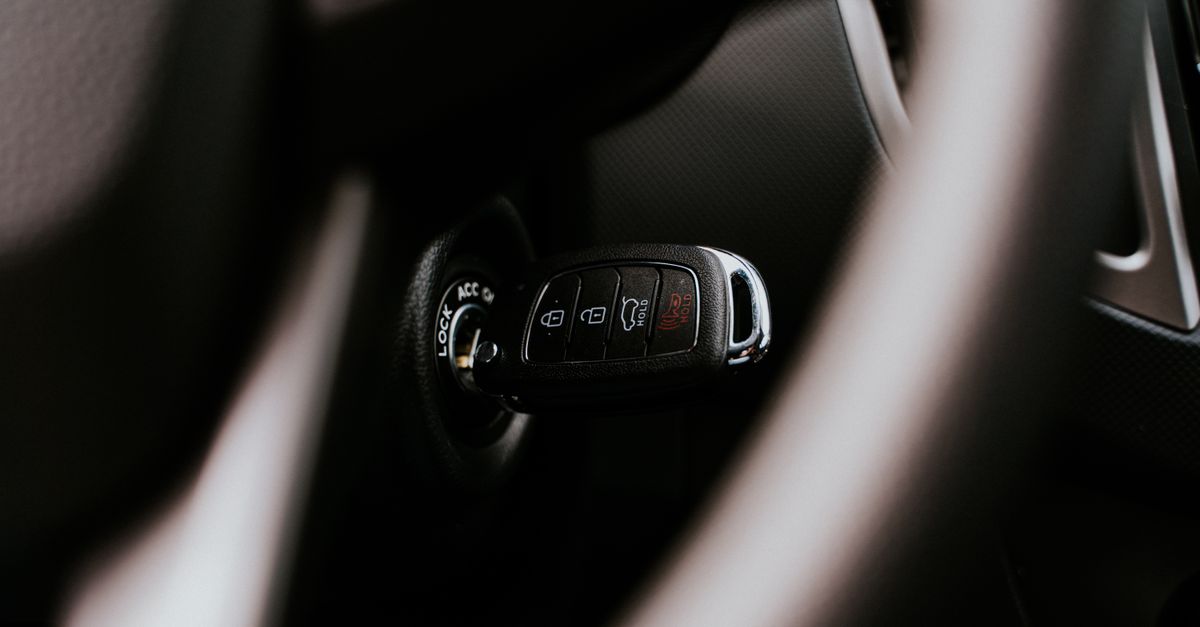
Car Key Replacement by Brand: What Makes Each Vehicle Different
Not all car keys are created equal, and that gap in complexity matters when you need a replacement fast. Older vehicles manufactured before the mid-1990s typically use basic metal keys with no embedded electronics — straightforward to duplicate on-site. From the late 1990s onward, manufacturers began embedding transponder chips inside the key head. These chips communicate with the vehicle's immobilizer system, and a key that hasn't been programmed to that specific car will crank the engine but never start it. Toyota, Honda, Nissan, and Hyundai each use proprietary chip families, which means our technicians carry brand-specific programming equipment rather than a one-size-fits-all device.
German and European makes — Volkswagen, BMW, Audi, and Mercedes-Benz — often use encrypted rolling-code key fobs and advanced immobilizer systems that require dealer-level diagnostic interfaces to program. American trucks and SUVs from Ford, GM, and RAM have their own tiered systems: some use standard transponders, others use PATS (Passive Anti-Theft System) or GM's VATS/PassLock, and newer models rely entirely on proximity smart keys with no physical blade at all. When you call (845) 622-6027, we ask for your year, make, model, and VIN so we can confirm we have the right blank and software on the van before we drive out — saving you time and avoiding a second trip.