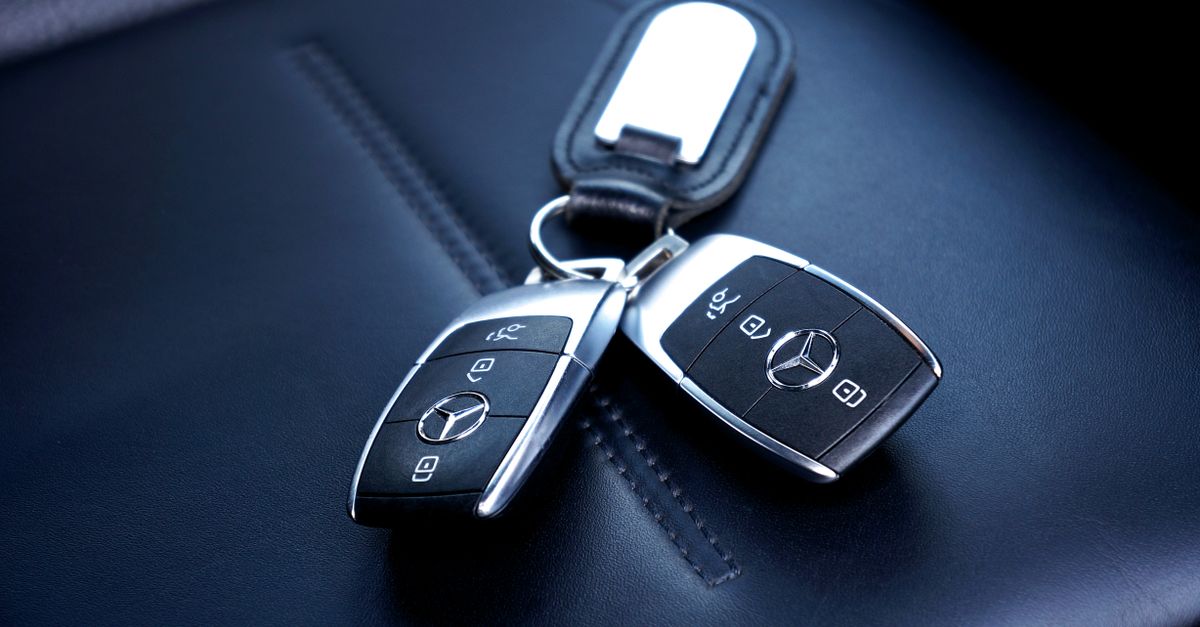
How Key Fob & Transponder Programming Actually Works
Every vehicle manufactured after the mid-1990s contains an immobilizer — a radio-frequency reader built into the ignition collar that looks for a specific encrypted signal broadcast by the transponder chip embedded in your key's head. When you insert the key, the immobilizer sends a challenge; the chip responds with a matching cryptographic code. If the codes don't match, fuel delivery is cut and the car won't start, even if the key blade turns freely. Key fob remotes add another layer: they use rolling-code encryption so the lock/unlock signal changes every single use, preventing relay attacks. Programming either type of device requires specialized software that communicates directly with your vehicle's ECU over the OBD-II port — the same diagnostic port your mechanic uses for check-engine codes.
Our technicians carry multi-platform programming tools that cover domestic brands like Ford, Chevrolet, and Dodge; European makes like BMW, Mercedes-Benz, and Volkswagen; and Japanese and Korean manufacturers including Toyota, Honda, Hyundai, and Kia. For proximity (smart key) systems found on many newer models, the process also involves pairing the key's low-frequency antenna ring to the push-button start module. We handle every step on-site, and because we're a 24/7 mobile service, we can meet you wherever your day — or night — has taken you across Dutchess County and beyond.