
Why Rekeying Is the Right First Move After a Commercial Break-In
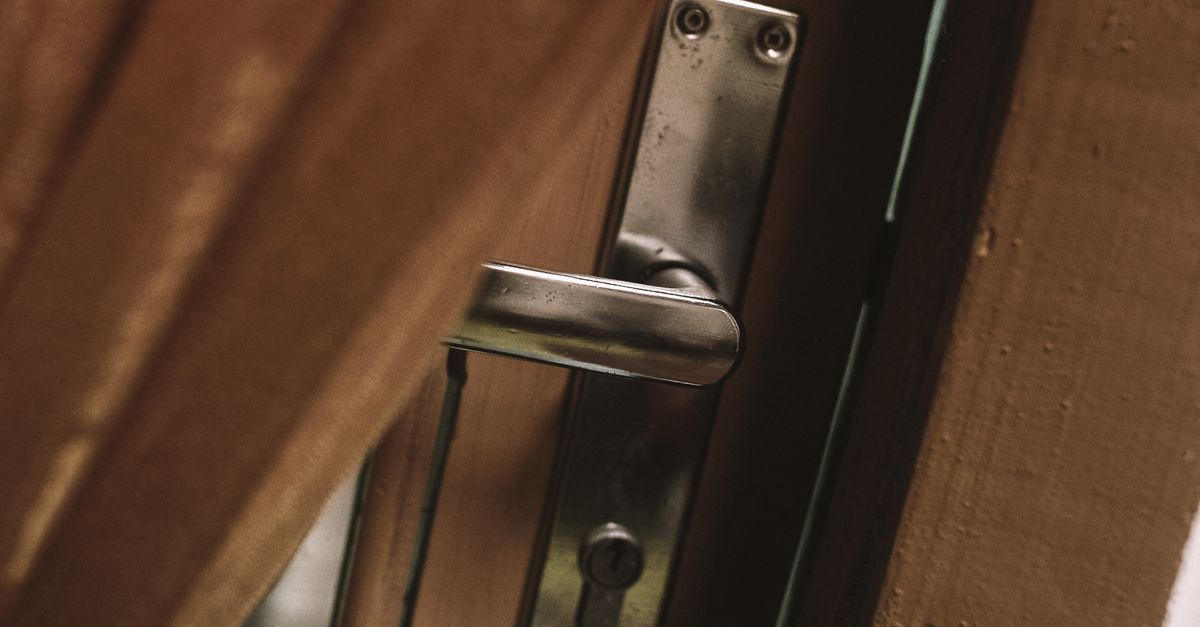
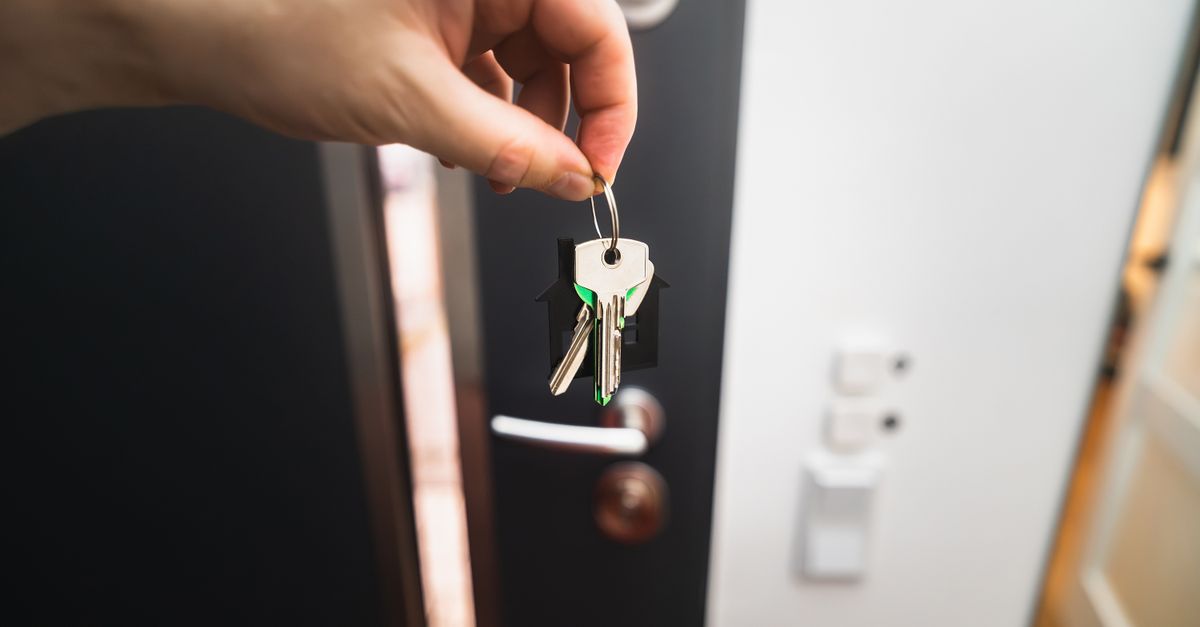
When forced entry occurs, most business owners focus on the visible damage — a splintered door knob lock, a bent mortise lock faceplate, or a frame that's been pried out of alignment. What's easier to overlook is the invisible risk: if the intruder, or anyone connected to them, later obtains a key to your existing cylinders, your doors will open without any sign of forced entry at all. A rekey after break-in closes that window immediately. Rekeying changes the internal pin configuration of a lock cylinder so that all previously cut keys — including any that may have been stolen, copied, or handed off before the incident — are rendered completely useless. No new hardware purchase is required in most cases, which means the process is faster and less disruptive than a full lock replacement.
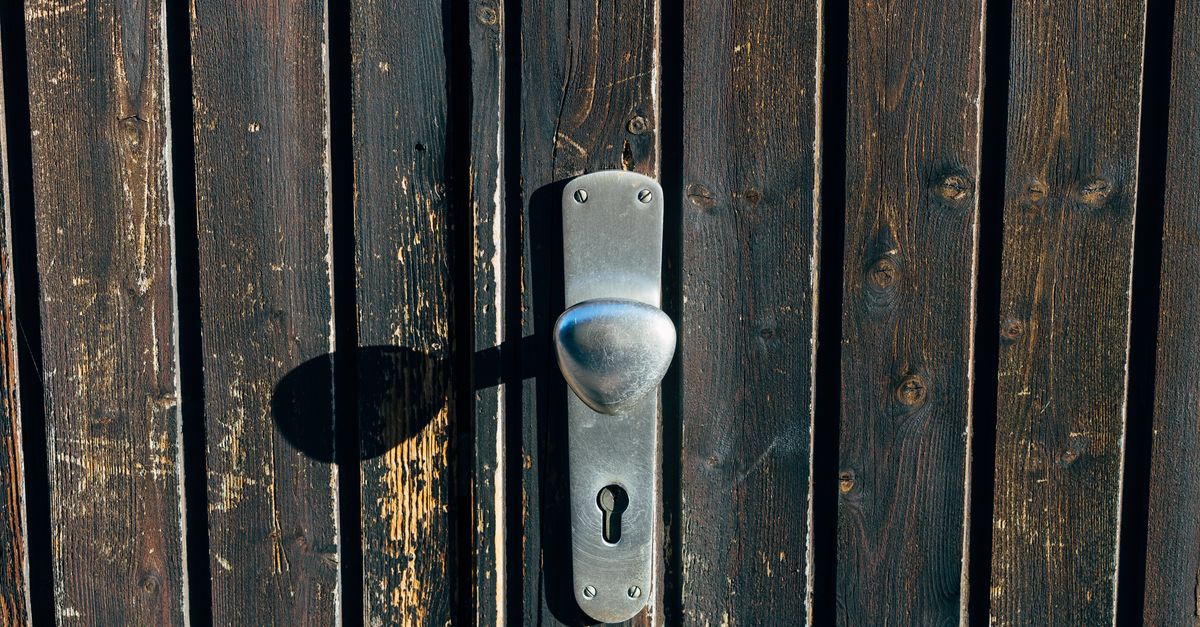
For commercial properties this matters even more than it does for residences. Businesses often have multiple keyholders — managers, cleaning crews, contractors, former employees. A breach is an opportunity to audit that entire key ecosystem. Our technicians don't just rekey the breached entry point; we assess every access point across the building footprint and provide a consolidated master-key plan if needed. That means your front mortise lock, rear door knob locks, storage room deadbolts, and suite cylinders can all be rekeyed to a single unified key — or segmented deliberately for tiered access — depending on how your operation is structured.